From Osaki-cho, Kagoshima
What is mushroom matcha? A plain explanation.
Most people arrive here from the same place: the coffee clocks out at 2 p.m. and the day doesn't, so they go looking for what else the first cup could be. You've probably met mushroom coffee — coffee blended with powdered mushrooms like lion's mane and chaga, now a shelf of its own in the wellness aisle. Mushroom matcha is the same idea with a different base: matcha green tea instead of coffee beans, blended with mushroom powders into one morning drink. We make one, so we're not neutral — but this page sticks to facts you can check on any label, including ours.
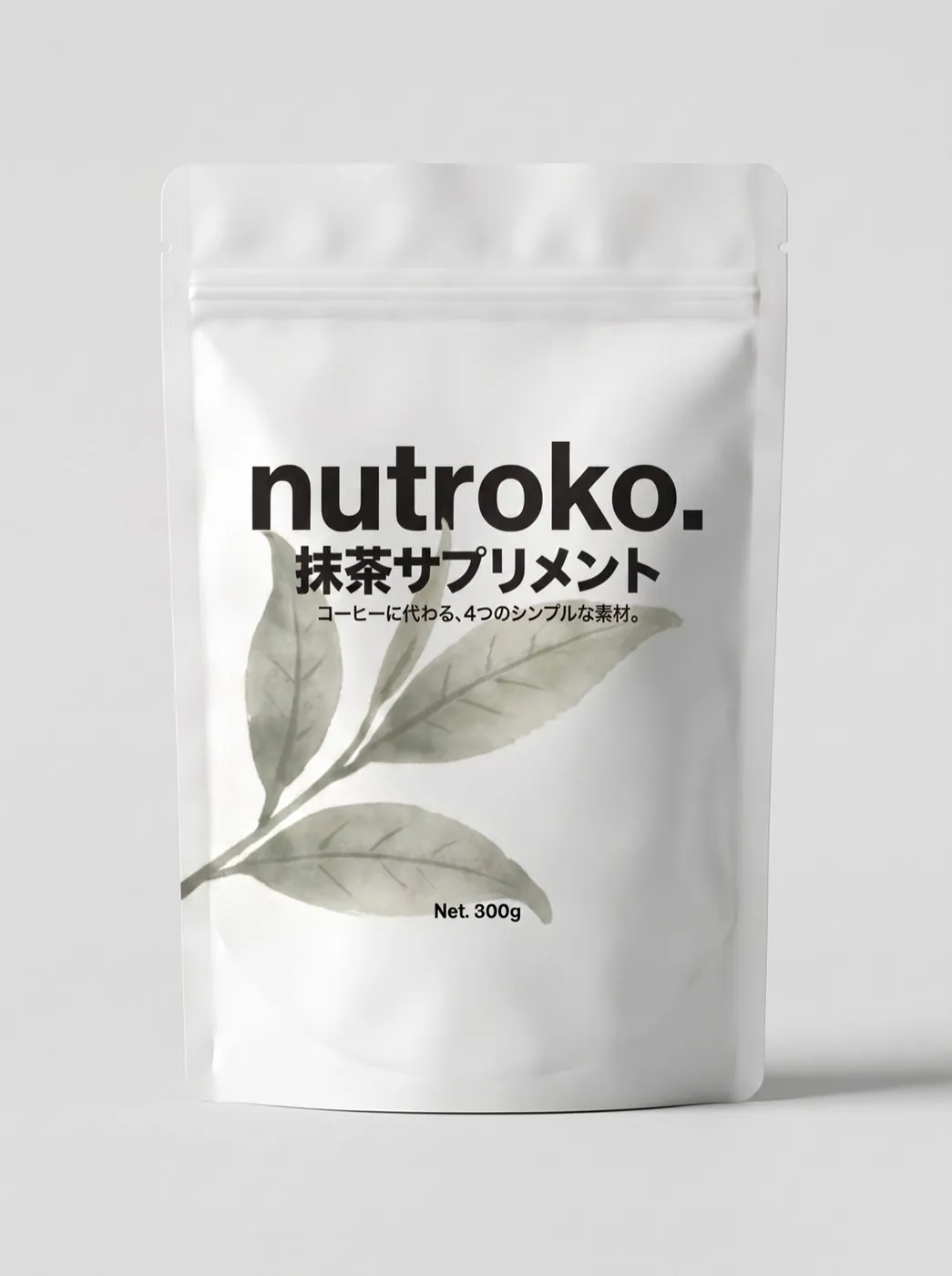
What's actually in the cup
A typical mushroom matcha combines three kinds of things: the matcha itself, one or more mushroom powders (lion's mane and cordyceps are the common pair), and whatever else the maker adds — sweeteners, creamers, gums, flavorings. The differences between products come down to three questions worth asking of any label:
- How much matcha, and from where? Matcha quality varies enormously. Ours is stone-milled in Kagoshima, Japan's largest matcha-producing prefecture, from farmers we know by name.
- Fruiting body or mycelium? Mushroom powders are made either from the mushroom itself (the fruiting body) or from its root-like network grown on grain (mycelium on grain). Fruiting body powder is mostly mushroom; mycelium-on-grain powder is partly the grain it grew on. Labels are allowed to blur this. Ours is whole fruiting body, both mushrooms, and says so.
- Grams or milligrams? Many blends list ingredients in milligram sprinklings across a long formula. We put four things in at full measure — 3g matcha, 3g lion's mane, 2g cordyceps, 2g Kagoshima sweet potato — ten grams a scoop, of which 5,000mg is mushroom fruiting body, every amount printed on the label.
What it tastes like
Done right, mushroom matcha tastes like matcha. Finely milled fruiting-body powders carry very little flavor at these amounts — the cup is grassy, slightly sweet, and takes milk well. If a blend tastes strongly of mushrooms, that's a formulation choice, not a necessity.
What we deliberately don't tell you
You'll notice this page makes no promises about what lion's mane or cordyceps will do for you. That's on purpose. The ingredients have long culinary and herbal histories, and plenty has been written about them that you can read for yourself — we name what's in the pouch, state the amounts, and let you decide. A category built on overclaiming doesn't need one more voice; it needs a label you can trust.
Where ours comes from
Nutroko is made in Osaki-cho, a town of eleven thousand in the Kagoshima countryside — the matcha from one town over, the sweet potato from the factory down the road, every pouch hand-packed in that same factory. The founder's story of how it started is on our home page, and if you're weighing the bigger switch away from coffee, read matcha instead of coffee: what a month actually looks like.